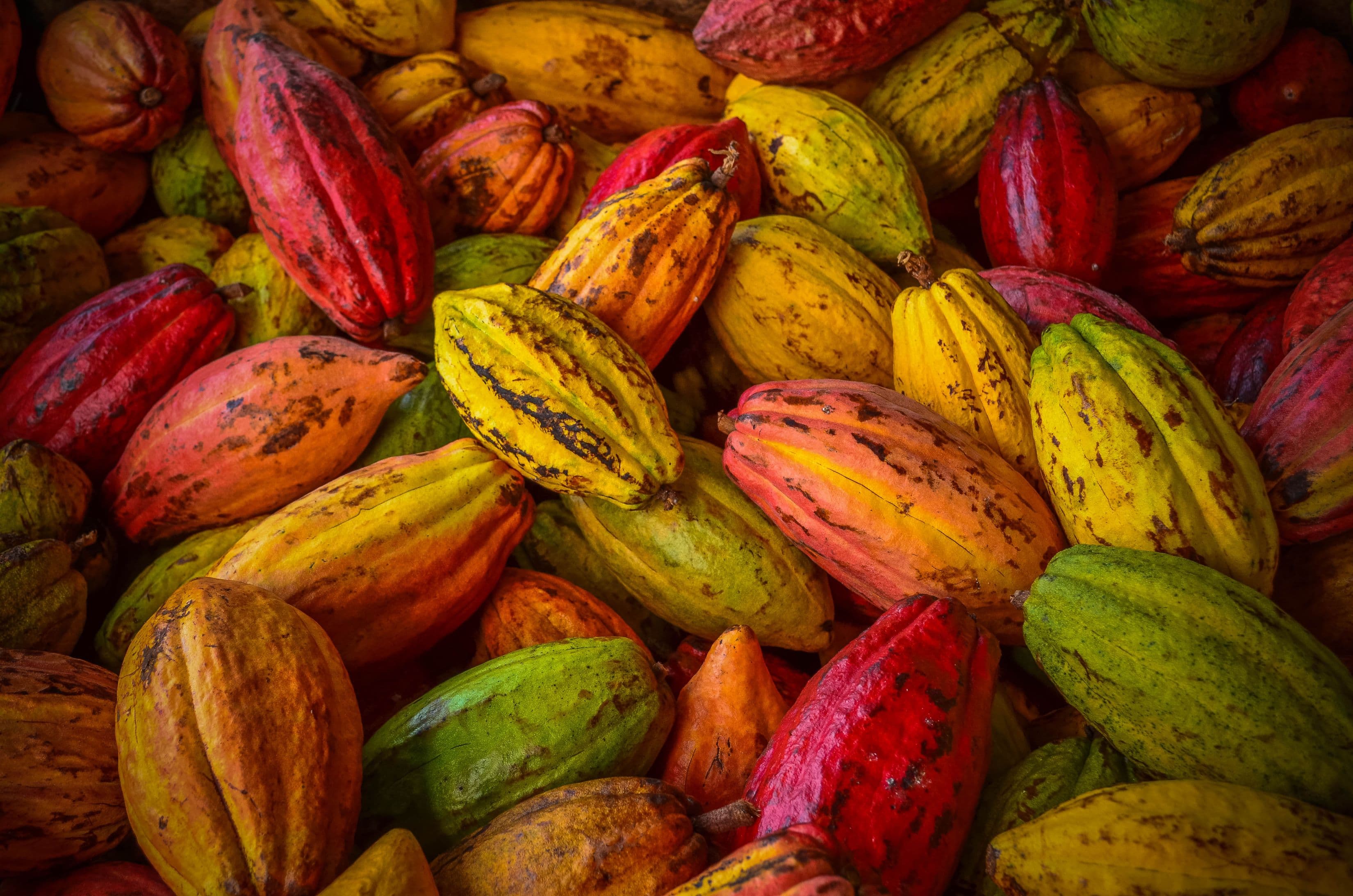
Le chocolat peut vous dire d’où il vient.
Longtemps avant que le cacao ne devienne une tablette de chocolat, sa saveur commence à se développer à travers le climat, le sol, les pluies et une récolte soigneuse. Ces conditions naturelles façonnent chaque fève en lui conférant des qualités qu’aucun atelier ne pourra recréer ensuite.
Telle est l’idée qui se cache derrière le chocolat pure origine.
Plutôt que de mélanger des cacaos de différents pays, le chocolat pure origine est fabriqué à partir de fèves issues d’une origine précise et unique. Chaque tablette devient l’occasion de découvrir les saveurs qui appartiennent à un lieu, à une récolte et à une région de culture du cacao.
Chez Léon Chocolat, nous sommes convaincus que chaque origine de cacao mérite d’être reconnue. Plutôt que de créer un goût unique et familier, nous laissons chaque origine demeurer présente dans le chocolat fini.
Qu’est-ce que le chocolat pure origine ?
Le chocolat pure origine est un chocolat fabriqué avec des fèves de cacao provenant d’un seul pays, d’une seule région ou d’une ferme soigneusement identifiée.
La définition exacte peut varier d’un chocolatier à l’autre, mais le principe reste le même.
Le chocolat reflète les caractéristiques d’une seule origine, au lieu de combiner des cacaos de plusieurs lieux différents.
Cette approche permet aux amateurs de chocolat de découvrir les différences naturelles qui existent entre les régions cacaoyères.
Tout comme le café et le vin portent l’identité de leur terroir, le cacao développe lui aussi ses propres saveurs bien avant que le chocolat ne soit fabriqué.
Le chocolat pure origine célèbre ces différences au lieu de les masquer.
Pourquoi l’origine du cacao est-elle importante ?
Chaque cacaoyer pousse dans des conditions qui lui sont propres.
La quantité de pluie, la qualité du sol, la végétation environnante et même le climat local influencent le développement du cacao. Après la récolte, la fermentation et le séchage continuent de façonner la saveur avant que les fèves ne soient préparées pour la torréfaction.
Ces processus naturels créent des différences subtiles qui deviennent perceptibles dans le chocolat fini.
Certaines origines développent naturellement des notes fruitées et vives.
D’autres offrent des noix grillées, un caramel tendre ou de délicats arômes floraux.
Ces saveurs ne sont pas ajoutées pendant la fabrication.
Elles existent déjà au cœur du cacao.
Le rôle du chocolatier consiste simplement à les révéler avec soin.
Une fève, mille saveurs
L’un des aspects les plus surprenants du chocolat pure origine est la différence de goût qui peut exister d’une tablette à l’autre.
Un chocolat élaboré à partir de cacao du Vietnam peut offrir de doux arômes floraux et de légères notes rappelant le thé.
Le chocolat du Guatemala développe souvent des saveurs de cacao équilibrées, avec des touches de fruits secs.
Le cacao du Venezuela est reconnu pour son profil rond, qui apporte des noix grillées, du caramel et une finale douce.
Chaque origine offre quelque chose d’unique.
C’est pourquoi déguster du chocolat pure origine devient une expérience de comparaison, plutôt que de trancher quelle tablette est « meilleure ».
Chaque tablette raconte une histoire différente.
Pourquoi le chocolat pure origine et le Bean-to-Bar vont de pair
Le chocolat pure origine atteint son plein potentiel lorsqu’il est associé à la démarche Bean-to-Bar.
Lorsque les chocolatiers maîtrisent eux-mêmes la torréfaction, l’affinage et le conchage, ils peuvent adapter chaque étape au cacao, au lieu de faire entrer chaque origine dans le même processus.
Une torréfaction douce peut préserver de délicates notes florales.
Une autre origine peut tirer profit d’une torréfaction légèrement plus poussée pour créer de l’équilibre.
Travailler directement avec les fèves offre au chocolatier la souplesse de respecter ce que la nature a déjà créé.
C’est pourquoi Bean-to-Bar et chocolat pure origine vont si souvent main dans la main.
Ils partagent le même objectif.
Laisser le cacao s’exprimer par lui-même.
Comment déguster le chocolat pure origine
Le chocolat pure origine se déguste lentement.
Plutôt que de croquer d’emblée, laissez le chocolat fondre naturellement. À mesure qu’il se réchauffe, différentes saveurs apparaissent. La première impression peut être un cacao doux, suivi de fruits, de noix grillées ou de tendres arômes floraux qui gagnent en intensité avec le temps.
La texture est tout aussi importante que la saveur.
Un chocolat bien fait doit être lisse, équilibré et net sur le palais. La finale doit s’attarder naturellement, sans devenir excessivement sucrée ou lourde.
Beaucoup sont étonnés de constater combien de saveurs peuvent exister dans un chocolat composé de seulement quelques ingrédients choisis avec soin.
Plus vous lui prêtez attention, plus il se révèle.
Pourquoi chaque récolte est différente
L’une des qualités les plus fascinantes du chocolat pure origine, c’est qu’il évolue naturellement au fil du temps.
Chaque récolte de cacao reflète la saison qui l’a fait naître. Les pluies, les températures, l’état du sol et la fermentation influencent toutes la saveur, bien avant que les fèves ne quittent leur origine.
Cela signifie que les chocolatiers travaillent toujours avec une matière légèrement différente.
Plutôt que d’attendre de chaque récolte un goût identique, les artisans Bean-to-Bar adaptent leur torréfaction et leur affinage pour respecter les qualités de chaque lot.
Cette variation n’est pas un défaut.
Elle fait partie de ce qui rend le chocolat pure origine si gratifiant.
De même que deux millésimes ne sont jamais tout à fait identiques, deux récoltes de cacao ne le sont pas non plus.
Choisir son chocolat pure origine
Tous les chocolats estampillés pure origine n’offrent pas la même expérience.
Un bon chocolat pure origine commence par la transparence.
Un chocolatier doit vous dire d’où vient le cacao, plutôt que de se concentrer uniquement sur le pourcentage de cacao. Connaître l’origine vous aide à comprendre pourquoi un chocolat a un goût différent d’un autre.
Il vaut également la peine de regarder au-delà de la liste des ingrédients.
Un chocolat élaboré avec un cacao soigneusement sélectionné et un processus de fabrication réfléchi laisse souvent la saveur de la fève rester claire et reconnaissable.
Plutôt que de chercher le chocolat « parfait », essayez de comparer différentes origines.
Goûtez une tablette du Venezuela à côté d’une du Guatemala ou du Vietnam.
Les différences sont souvent plus intéressantes que les ressemblances.
Le chocolat pure origine chez Léon Chocolat
Chaque chocolat commence par son origine.
Chez Léon Chocolat, nous choisissons nos cacaos pour les saveurs qu’ils apportent naturellement, plutôt que d’essayer de créer un goût unique et familier.
Notre collection réunit des chocolats élaborés avec des cacaos venus d’origines telles que le Vietnam, le Guatemala, le Venezuela et la Tanzanie. Chacune d’elles développe son propre profil de saveurs selon les conditions dans lesquelles le cacao a poussé.
Certaines révèlent des arômes floraux.
D’autres apportent des noix grillées, des notes fruitées délicates ou un cacao plus profond.
Plutôt que de mêler ces identités, nous laissons chaque origine demeurer présente dans le chocolat fini.
Pour nous, le chocolat pure origine ne consiste pas à créer des différences.
Il consiste à respecter celles qui existent déjà.
Pour conclure
Le chocolat pure origine transforme la manière dont nous pensons le chocolat.
Il nous invite à aller au-delà de la douceur pour découvrir l’influence du climat, de la récolte et de l’origine.
Chaque tablette devient le reflet du lieu où son histoire a commencé.
C’est pourquoi déguster des chocolats d’origines différentes n’a jamais pour but de trouver un favori unique.
Il s’agit d’apprécier ce que chaque région cacaoyère offre d’unique.
Plus vous explorez, plus vous reconnaissez que le grand chocolat se façonne bien avant d’atteindre l’atelier.
Questions fréquentes
Qu’est-ce que le chocolat pure origine ?
Le chocolat pure origine est fabriqué avec des fèves de cacao provenant d’un seul pays, d’une seule région ou d’une ferme identifiée. Il permet à la saveur naturelle de cette origine de demeurer bien nette dans le chocolat fini.
Le chocolat pure origine a-t-il un goût différent ?
Oui. Chaque région cacaoyère développe son propre profil de saveurs à travers le climat, le sol, la récolte et la fermentation. Ces différences naturelles influencent le goût du chocolat fini.
Le chocolat pure origine est-il la même chose que le chocolat Bean-to-Bar ?
Pas toujours. Pure origine décrit d’où vient le cacao, tandis que Bean-to-Bar décrit comment le chocolat est fabriqué. De nombreux chocolatiers artisans combinent les deux approches, mais il ne s’agit pas de la même chose.
Pourquoi les origines de cacao comptent-elles ?
L’origine façonne la saveur. Tout comme le café et le vin reflètent l’endroit où ils sont cultivés, le cacao développe lui aussi des caractéristiques uniques selon son environnement et ses conditions de culture.
Par quel chocolat pure origine devrais-je commencer ?
Il n’y a pas de réponse unique. Si vous aimez les délicates notes florales, une origine vous conviendra mieux. Si vous préférez un cacao plus riche ou des noix grillées, une autre origine sera un meilleur choix. Explorer différentes origines fait partie de l’expérience.